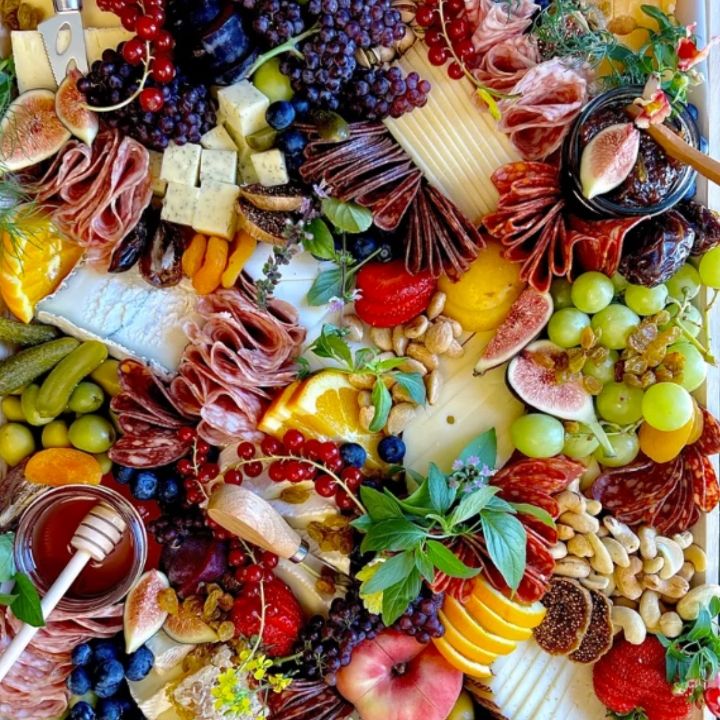
A good charcuterie board is not a mystery. It is a short shopping list and six steps you can do with two hands. At Capers & Co in Edmond, we teach this same order in our workshops and use it when we build trays for OKC metro hosts. Once you know the order, the board almost builds itself.
For how much to buy, keep How Much Charcuterie per Guest open beside you. For a long kraft-paper spread, see The Art of the Grazing Table.
Shop the five families first
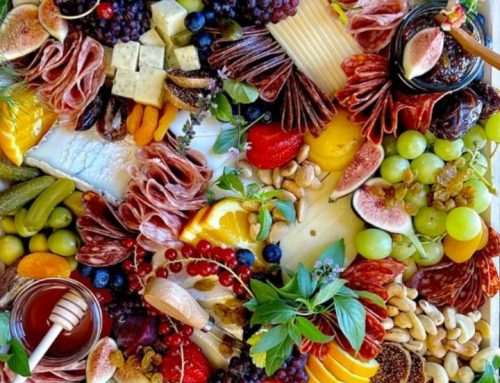
Every board is built from the same five families: meats, cheeses, spreads, accents, and carriers. Learn what each one does, and a single trip to the store is enough.
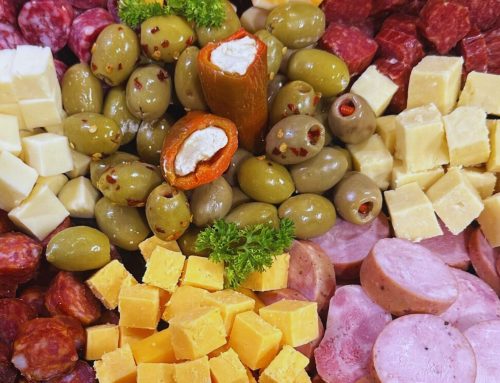
- Meats: Two or three cured options, sliced thin so they fold and fan. Genoa or hard salami, sopressata, and a few draped slices of prosciutto cover most boards.
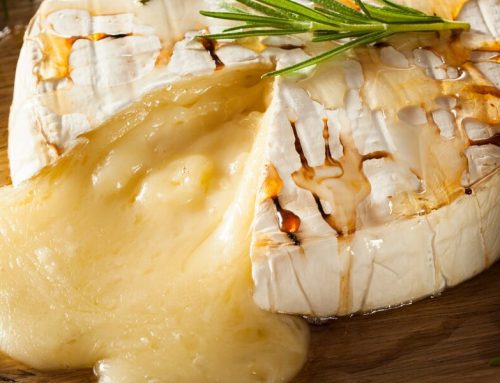
- Cheeses: At least three, across texture and boldness. One soft (brie or camembert), one firm (cheddar or manchego), and one bold (a blue or an aged gouda). Spend on one "wow" cheese and keep the other two familiar.
- Spreads: One sweet and one savory. Fig jam or hot honey on one side; grainy mustard or a simple hummus on the other. Put them in small bowls with their own spoons.
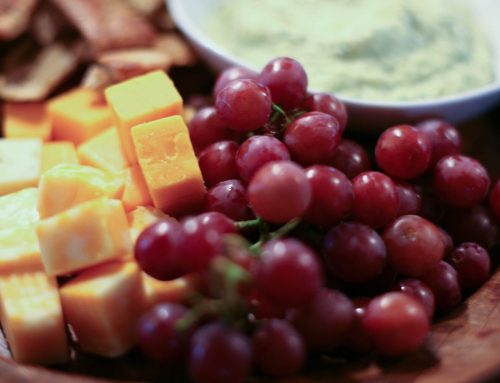
- Accents: Add olives or cornichons for salt, almonds for crunch, and grapes or figs for sweetness.
- Carriers: Two or three sturdy, quiet crackers or breads. Water crackers, baguette slices, and a crisp or flatbread are plenty. They hold the toppings; they are not the star.
Slice cheese while it is cold and firm, then set it out 30 to 45 minutes before guests arrive so the flavor opens up.
How much for a snack board
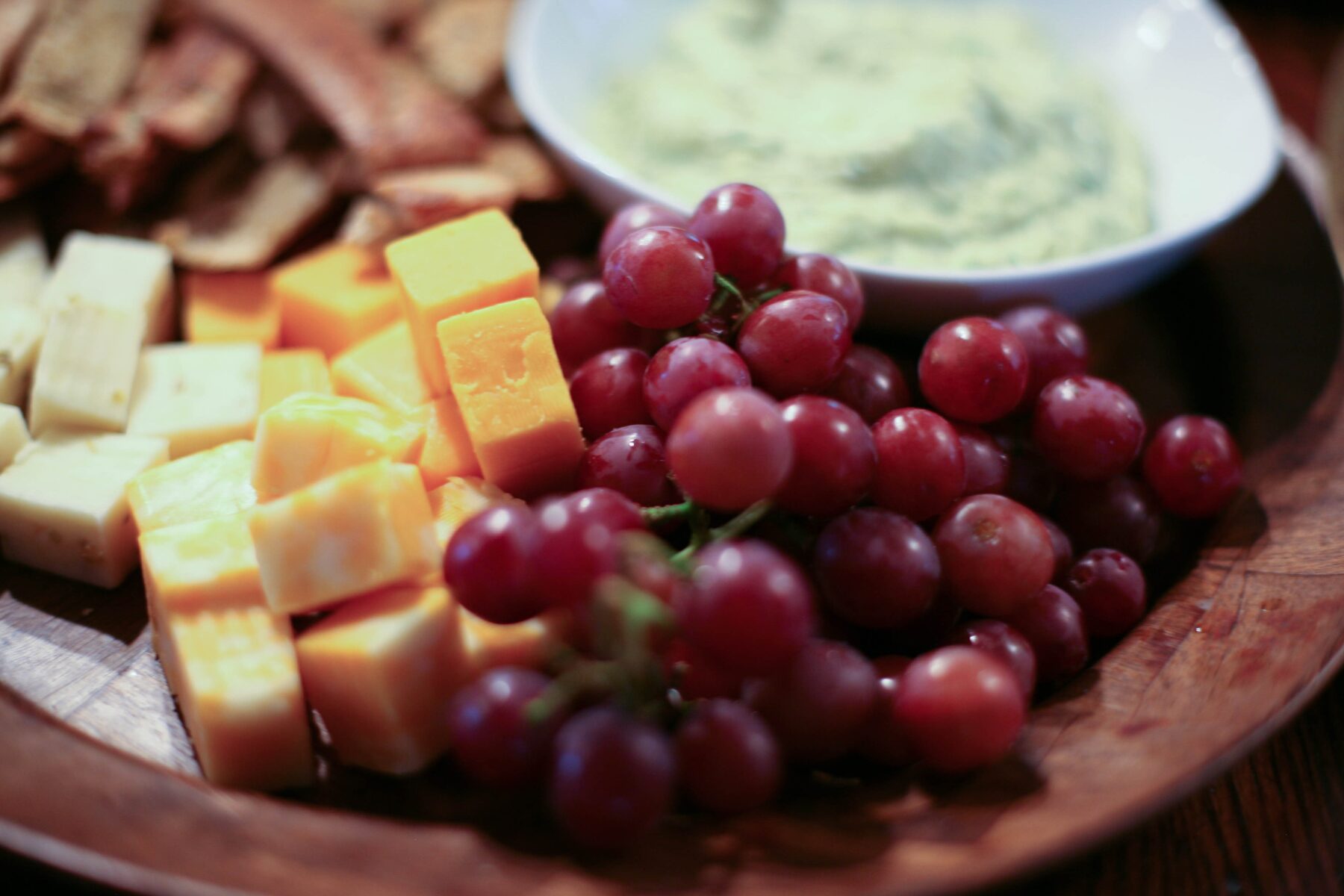
For a snack or appetizer board, plan about 2 oz of cheese and 2 oz of meat per guest, about half an ounce of fruit, and roughly 5 crackers per person. If the board is standing in for the meal, double the meat and cheese.
A girls'-night board for six is about 12 oz of cheese and 12 oz of meat total, plus olives, nuts, grapes, crackers, and sliced baguette. That is the same math we teach in the book and on our portions guide: How Much Charcuterie per Guest.
Pick a surface
Use what you already own: a wooden board, a marble slab, or a simple platter. For a relaxed look, lay kraft or parchment paper over a cutting board and build on that. Warm wood feels cozy. Cool marble or ceramic reads a little dressier. You do not need a special board to get a good result.
Six steps, in order
Follow these six steps every time. The order matters more than fancy ingredients.
Step 1: Anchor with bowls. Place small bowls for olives, nuts, and spreads first, spaced out across the board. They set the structure. Add a spoon to each bowl now so you do not forget later.
Step 2: Place the cheeses. Set your three cheeses next, spread out rather than lined up in a row. Leave wedges mostly whole, or pre-cut just a few slices to invite the first guest in. Vary the cuts for dimension: cube one cheese, slice another into thin planks, leave a third as a wedge.
Step 3: Fan the meats. Fold or ruffle thin slices into loose piles between the cheeses. Two easy moves help: the salami river (fold slices in half, then in half again, and line them up) and the salami rose (see the pro tip below).
Step 4: Add the carriers. Fan crackers and lean baguette slices near the cheeses they go with. Stacking and fanning keeps them tidy and easy to grab.
Step 5: Fill with fruit and accents. Tuck grapes, berries, dried fruit, and nuts into the gaps. Cluster by color so the board looks full, not busy. Leave grapes on the stem. Halve strawberries so the insides show. This is the step where the board goes from assembled to abundant.
Step 6: Finish with herbs and labels. Lay a few sprigs of rosemary or thyme in the open spots. Label each cheese and spread so guests are not guessing all night. Give every cheese its own knife and every spread its own spoon. Step back. You are done.
A first board in about 30 minutes
Shop and build a beginner board in about half an hour for roughly $35 to $45.
- Cheeses: a wedge of brie, a block of sharp cheddar, and a small round of herbed goat cheese
- Meats: a package of sliced Genoa salami and a few ounces of prosciutto
- Extras: fig jam or hot honey, olives, marcona almonds, a bunch of grapes, water crackers, and a sliced baguette
Fifteen minutes at one store, fifteen minutes with the six steps above, and you have a board that looks like you hired help. Do this once and the steps never change, whether you are building for two or for twenty.
Style notes that make a difference
A few small moves separate a flat plate from a board that looks intentional.
- Mix flavor, texture, and color: salty with sweet, creamy with crunchy, deep greens with bright fruit.
- Add a little height: a bowl of olives, a folded pile of prosciutto, grapes mounded rather than scattered.
- Fill every gap. Bare patches make a homemade board look unfinished. Keep tucking in nuts, fruit, and herbs until you can barely see the board underneath. Odd-numbered clusters (three figs, five crackers) read as planned.
You do not have to put everything on one surface. Two smaller boards often look more generous than one crowded platter, and they spread guests around the room.
Pro tip: salami rose in about twenty seconds
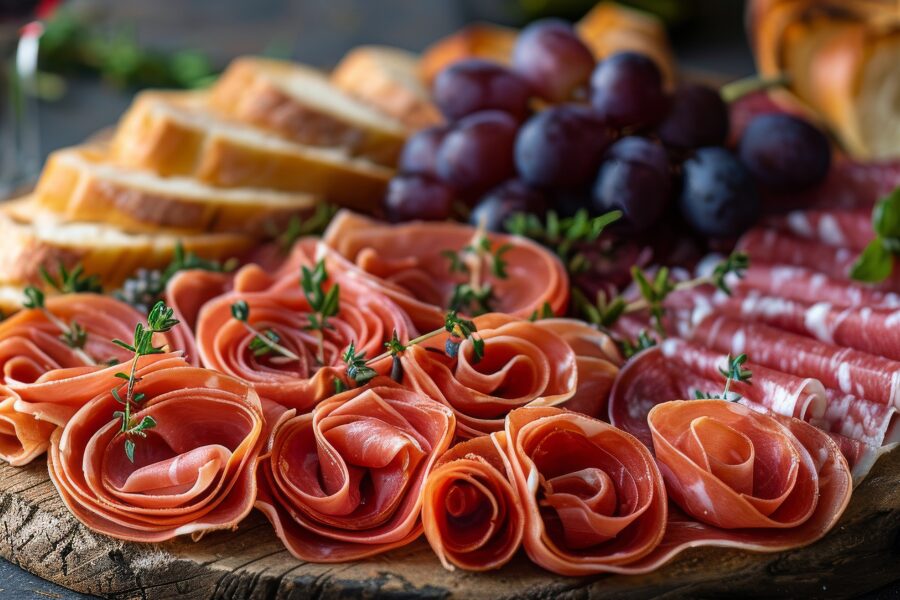
Drape salami slices around the rim of a small glass, overlapping as you go. Turn the glass over onto the board and lift it away. Instant showpiece. Prosciutto roses work the same way when the slices are thin enough.
Skip this mistake
Do not slice everything into tiny pieces before guests arrive. Small cuts dry out and disappear fast. Leave wedges whole, keep grape bunches intact, and let people cut and pull their own. The board stays fresher and looks fuller longer.
Also skip buying five versions of the same thing (five hard cheeses, five salamis). Variety across texture and flavor is what feels abundant. More of the same just feels heavy.
When the guest list grows
Past about a dozen guests, one board often is not enough. Use a few boards, or move to a grazing table on kraft paper. For OKC events that need a long table rather than a DIY board, start with The Art of the Grazing Table, or order catering from Capers & Co and let us build it.
Frequently asked questions
Bowls first, then cheeses, meats, crackers and bread, fruit and accents, then herbs and labels. That order keeps the structure clear and the gaps easy to fill.
About 2 oz of each for a snack board. Double both if the board is the meal. Plan about 5 crackers per guest. Full chart: How Much Charcuterie per Guest.
At least three: one soft, one firm, and one bold. That is the cheese half of the 3-3-3-3 rule (three cheeses, three meats, three accompaniments, three carbs).
No. A wooden cutting board, a platter you already own, or kraft paper over a board all work.
Prep components the night before. Assemble within about two hours of serving so crackers stay crisp and soft cheeses don't sweat.
Yes. Capers & Co builds trays, boards, and grazing tables for the OKC metro. Start with catering. —